How to Display a Wedding Cake at the Venue: A Setup Checklist
By Claire Bennett · Published · 4 min read
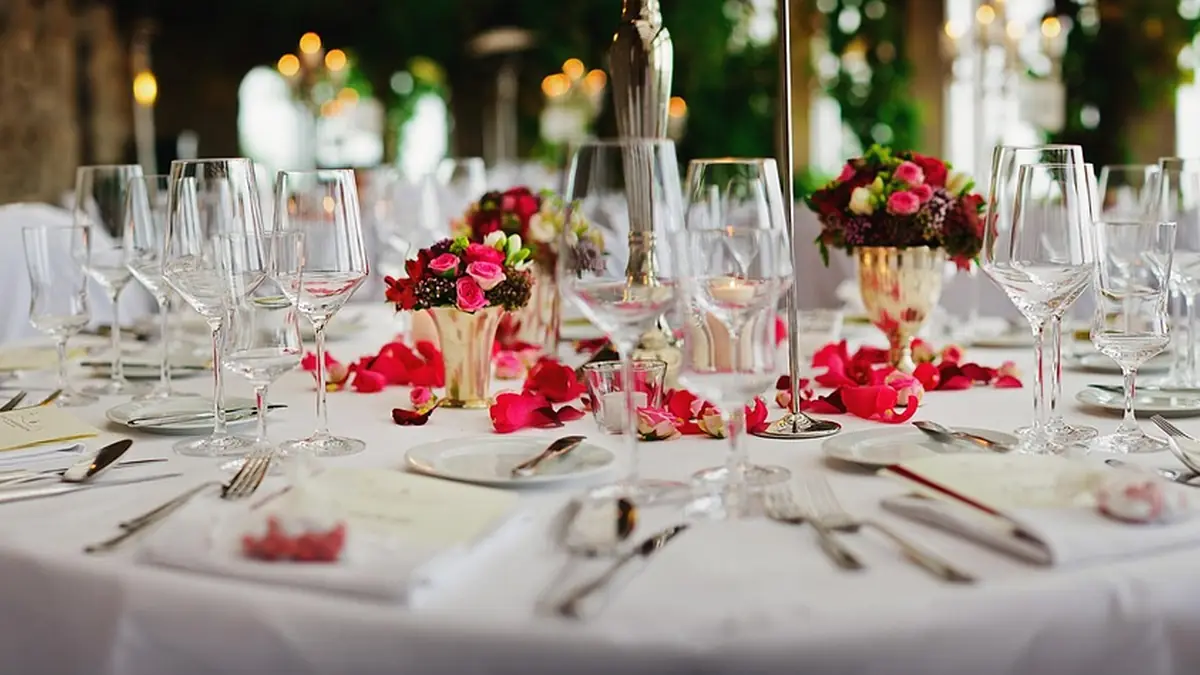
Your wedding cake is more than dessert—it's a centerpiece that guests will photograph, admire, and remember. But a beautiful cake can fall flat if it's displayed poorly. Venue lighting, room temperature, table stability, and foot traffic all affect how the cake looks and holds up. This guide walks you through the key decisions so your cake looks as good as it tastes.
From choosing the right table to planning for backup, we cover the practical details that often get overlooked. Whether you're working with a historic hall, a marquee, or a modern hotel ballroom, these steps will help you avoid common pitfalls and ensure your cake is showcased beautifully.
Choosing the Right Table and Placement
The cake table should be sturdy, level, and sized appropriately. A round table 30–36 inches in diameter works for most 3-tier cakes, while larger displays may need a 48-inch table. Avoid wobbly folding tables; if the venue only has those, ask for a solid top or reinforce with a base. Placement matters: put the cake where guests can see it but away from busy walkways, doors, and dance floors. A spot near the gift table or escort card display often works well, but ensure it's not in a draft.
Consider the flow of the room. The cake should be visible from the entrance but not block traffic. If the venue has multiple rooms, place the cake in the main reception area where guests spend most of their time. Avoid direct sunlight, which can melt buttercream and fade colors. Also, keep the cake away from speakers and air vents—vibration can cause tiers to shift, and strong airflow can dry out the cake.
- Table height: standard 30 inches is fine; lower tables make cutting awkward.
- Table size: 30–36 inches round for up to 3 tiers; 48 inches for 4+ tiers.
- Avoid: direct sun, heat sources, drafty doors, and high-traffic paths.
Lighting the Cake for Impact
Lighting can make or break your cake display. Harsh overhead lighting casts shadows and highlights imperfections, while soft, diffused light brings out texture and detail. If the venue allows, use warm white LED spotlights aimed at the cake from a 45-degree angle. Avoid colored lights that can alter the cake's appearance. For evening receptions, consider pin spotting or battery-operated picture lights mounted above the table.
If you can't adjust the venue's lighting, position the table where natural light is soft and indirect during the day. At night, ask the venue to dim nearby chandeliers or use candlelight around the table—but keep open flames away from the cake. A simple white tablecloth and a few subtle decorations can also help the cake stand out without competing with it.
- Use warm white LEDs, not colored or cool white.
- Angle lights from 45 degrees to avoid glare.
- Keep candles at least 3 feet away from the cake.
| Factor | Recommended Range | Risks Outside Range | Notes |
|---|---|---|---|
| Temperature | 68–72°F (20–22°C) | Melting, sagging | Keep away from heat sources |
| Humidity | 40–60% | Sticky fondant, weeping | Use dehumidifier if needed |
| Lighting | Warm white LED, 2700–3000K | Color distortion, glare | Angle from 45 degrees |
| Table height | 30 inches | Poor visibility, awkward cutting | Lower for tall cakes |
| Table size | 30–36 inches round (3 tiers) | Overhang, instability | 48 inches for 4+ tiers |
Temperature and Humidity Control
Most wedding cakes are best displayed at 68–72°F (20–22°C) with moderate humidity. Buttercream can soften above 75°F, and fondant can become sticky in high humidity. If the venue is warm, ask about air conditioning or fans—but never point a fan directly at the cake. In summer or in tropical locations, consider a cake with a more stable frosting, like Swiss meringue buttercream or fondant, and keep the cake refrigerated until just before display.
Humidity is often overlooked. In damp conditions, fondant can weep or sag, and stacked tiers may become unstable. If you're in a humid climate, ask your baker about using a dehumidifier or displaying the cake in an air-conditioned room. Also, avoid displaying the cake near steamy kitchens or open windows. A simple rule: if you're comfortable in a light sweater, the cake is comfortable too.
- Ideal temperature: 68–72°F (20–22°C).
- Keep cake refrigerated until 1–2 hours before display.
- In humidity above 60%, use fondant or a dehumidifier.
Table Decor and Presentation
The cake table should complement the cake, not compete with it. A clean, pressed tablecloth in a neutral color is a safe choice. If you want to add decor, use a few small elements like fresh flowers, candles, or a cake topper—but keep it minimal. Too many props can clutter the display and distract from the cake. Also, ensure the table is stable; a wobbly table can cause the cake to lean or collapse.
Consider the height of the table relative to guests. A table that's too low forces people to bend over, while a table that's too high makes it hard to see the top tier. Standard 30-inch height works for most. If you have a tall cake, a lower table might be better for visibility. Finally, place a small sign or menu card nearby listing flavors and allergens—it's a nice touch and helps guests with dietary restrictions.
- Use a neutral, well-ironed tablecloth.
- Limit decor to 2–3 small items.
- Add a flavor card for guest convenience.
Backup Plans and Contingencies
Even with careful planning, things can go wrong. Have a backup plan for the cake table: if the designated spot is too sunny or drafty, know where you can move it. Ask the venue if they have a spare table or if you can use a different location. Also, keep a basic cake repair kit on hand—extra frosting, a small spatula, and a few fresh flowers can fix minor issues.
If the cake is delivered before the reception, ensure someone is responsible for checking on it periodically. Venue staff can help, but confirm they know what to look for (melting, leaning, pests). In hot weather, consider having the cake displayed only during the cake-cutting moment and kept in a cool room otherwise. Finally, communicate with your baker about delivery timing and setup—they may have specific requirements for the table and location.
- Identify a backup table location.
- Keep a small repair kit: frosting, spatula, flowers.
- Confirm venue staff will monitor the cake.
Working with Your Venue and Baker
Clear communication is key. Share your cake display plan with the venue coordinator and your baker at least a month in advance. Provide them with a simple diagram showing the table location, lighting, and any power needs. Confirm who will set up the table and when. If your baker is delivering, ask about their setup window and whether they need access to the room beforehand.
On the day, assign a point person—a planner, a trusted friend, or a family member—to oversee the cake display. They can coordinate with venue staff, handle any last-minute adjustments, and ensure the cake is ready for the spotlight. For a deeper dive into the entire cake ordering process, see our step-by-step checklist.
- Share a diagram with venue and baker.
- Confirm setup time and responsibilities.
- Assign a day-of point person.
- Place the cake on a sturdy, level table away from sun, drafts, and traffic.
- Keep the room at 68–72°F and humidity between 40–60% for best stability.
- Use warm, diffused lighting to enhance the cake's appearance without glare.
- Have a backup plan and a small repair kit for peace of mind.
Claire writes practical guides on tiered wedding cakes, from design choices to serving calculations. She focuses on helping couples plan realistic budgets and timings, drawing on years of editorial work in food and events publishing.