How Many Servings Does a 3-Tier Wedding Cake Really Feed?
By Daniel Foster · Published · 6 min read
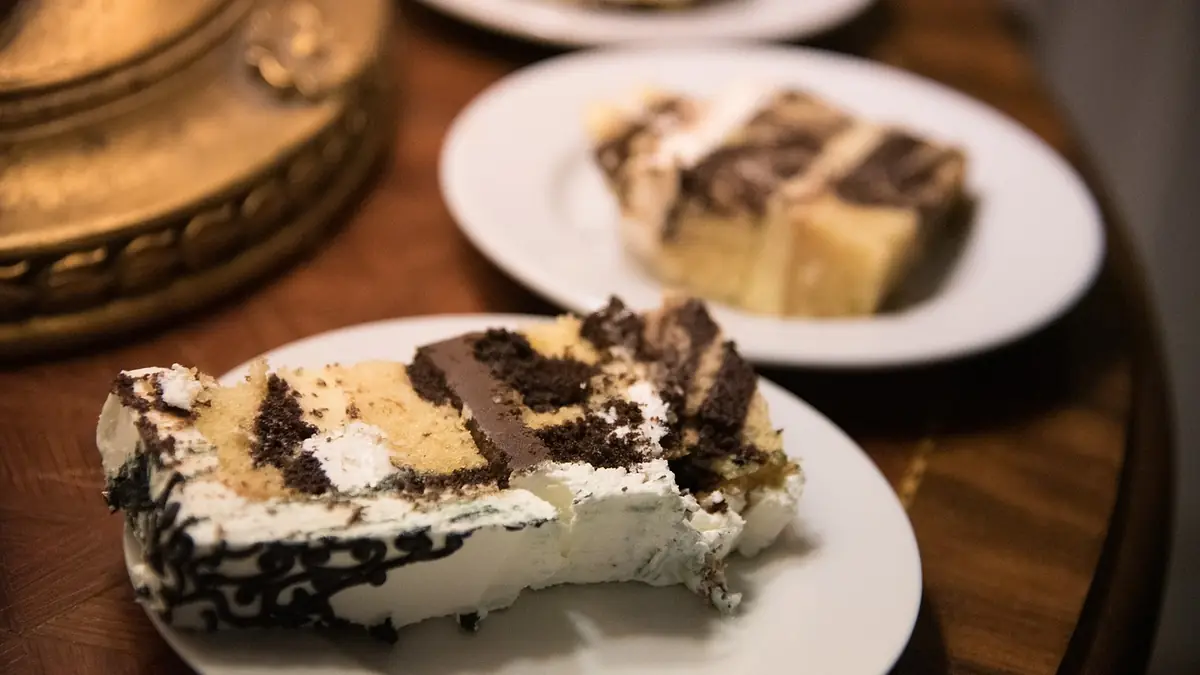
A three-tier wedding cake looks enormous in photos and then, somehow, feeds 120 guests. The gap between how big a cake looks and how many people it actually serves is the single most common source of wedding cake stress, and it comes down to portion size, tier dimensions and how the cake is cut on the night.
This guide gives you honest numbers: what each tier yields at different portion sizes, why the cutting method matters as much as the cake itself, and how to choose a tier plan that matches your guest count without paying for cake that goes home in boxes.
The Standard Serving Is Smaller Than You Think
Most cake studios quote wedding servings at roughly 1 inch by 2 inches by the height of the tier — a slice about the size of a finger, or a small forkful. That is deliberately modest because it follows a full meal and usually a dessert course. A 6-inch round tier at that size yields around 12 to 14 servings, an 8-inch tier 24 to 26, a 10-inch tier 38 to 40, and a 12-inch tier 56 to 60. Stack three of those and you are in the 75 to 125 range depending on the combination.
The confusion starts when couples picture restaurant-style wedges. A generous wedge cut from a 10-inch tier serves perhaps 12 to 16 people, not 40. Both numbers are correct; they describe different cuts. When a venue says your cake 'serves 100,' ask which portion they mean — caterers often cut larger slices than cake studios count, and that single detail can leave you short by 30 servings.
As a working rule, assume 1x2-inch slices for a plated dessert after a full dinner, and 1x1-inch slices if you are serving cake alongside other sweets, a dessert table or late-night food. Tasting portions at consultations are always bigger than wedding portions; that is hospitality, not a serving estimate.
- 6-inch round: 12–14 standard servings
- 8-inch round: 24–26 standard servings
- 10-inch round: 38–40 standard servings
- 12-inch round: 56–60 standard servings
- Generous wedge cut: roughly one-third of these counts
What Common 3-Tier Combinations Actually Yield
Tier size combinations matter more than the number of tiers. A 6-8-10 stack is a popular choice for smaller weddings and yields roughly 75 to 80 standard servings. An 8-10-12 stack lands near 120 to 125. A 10-12-14 stack pushes past 160. Two cakes with the same three tiers can differ by 50 servings if the widths differ by two inches, so always compare the actual tier dimensions rather than the tier count.
Height adds another variable. Tiers of 4 to 5 inches tall are standard; tiers of 6 inches or more give you taller slices from the same footprint, effectively adding 20 to 30 percent more servings per tier. That is one of the cheapest ways to increase yield without widening the cake, and it also changes the cake's silhouette — worth discussing with your studio before you finalise the design.
If your guest list sits awkwardly between sizes, a common solution is a three-tier cake for display and cutting plus a matching sheet cake in the kitchen. The sheet cake is cut into neat 1x2-inch portions, keeps the tiered cake intact for photographs, and costs far less per serving than adding a fourth tier.
- 6-8-10 inch: approx. 75–80 servings
- 8-10-12 inch: approx. 120–125 servings
- 10-12-14 inch: approx. 160–170 servings
- Add a kitchen sheet cake for 20–40 backup servings
How Cutting Style Changes the Count
The classic catering method removes the top tier for the couple, then cuts each remaining tier in concentric rings rather than wedges. The outer ring is sliced into 1-inch-wide pieces, the next ring into slightly larger pieces, and the centre cut into wedges — a technique that extracts nearly every usable serving with little waste. Done well, a 10-inch tier really does give you close to 40 portions. Done badly, with freehand wedges, the same tier yields 15 and a lot of crumbs.
Buffet service is less predictable. Guests serve themselves generously, plates get abandoned, and staff often pre-cut slices larger than planned to keep the line moving. If your cake is part of a buffet rather than plated, add 10 to 15 percent to your serving estimate or ask the caterer to pre-cut and plate portions in the kitchen.
Dessert tables and late-night snacks change the maths again. When cake shares the table with macarons, tarts and coffee, guests take smaller portions — sometimes half a slice. If you are building a dessert spread, macarons are priced per piece and portioned far more predictably than cake, which makes them a useful buffer alongside a slightly smaller cake.
Matching the Cake to Your Guest Count
Start with the number of guests who will actually eat cake. Not the invitation list — the realistic attendance figure, minus anyone who reliably skips dessert and minus children's portions if you are offering them something separate. Then decide whether cake is the only dessert or one of several. A cake that serves 85 percent of guests is usually plenty when there is a dessert table; a cake that serves 100 percent is the safer choice for plated service.
Round up rather than down. Running out is remembered; leftovers are not. Most studios will happily build in a 10 percent cushion, and many couples keep the top tier uncut for their first anniversary anyway, which removes 12 to 14 servings from the count. If you want that tradition, add those servings back into your planning.
For weddings with several courses, couples increasingly order a smaller display cake and a larger kitchen cake. It keeps the centrepiece beautiful, controls cost, and means the venue can plate quickly. If you are still deciding on flavours and fillings, a structured tasting session will help you commit before you lock in tier sizes and servings.
Where Cake Gets Wasted — and How to Avoid It
The biggest losses come from late cutting, oversized slices and cakes that stay on display too long. Cake cut at 11pm, after dancing, goes largely uneaten. Cake cut at 8.30pm and passed on trays disappears. Ask the venue to cut and serve within an hour of the cake cutting moment, and confirm who is responsible for cutting — some venues charge a plating fee per guest, typically a few dollars each, which should be in your budget from the start.
Waste also comes from mismatched tiers. A very wide bottom tier looks impressive but can leave 30 portions uneaten. Narrower, taller tiers often serve the same headcount with less waste and a more contemporary look. Discuss the trade-off with your studio; most will sketch two or three tier plans against your guest count before you decide.
Finally, plan for leftovers deliberately. Bring boxes, ask the caterer to wrap slices, or arrange for staff to take them home. A well-cut cake should leave you with a handful of portions, not half a tier. If you are transporting cake or leftovers yourself, read how to transport a tiered cake safely by car before the day.
- Cut within an hour of the cake moment
- Confirm who cuts and whether plating is charged
- Prefer taller, narrower tiers for less waste
- Bring boxes or arrange for staff to take leftovers
| Tier size (round) | Standard 1x2 in servings | Generous wedge servings | 1x1 in dessert-table servings |
|---|---|---|---|
| 6 inch | 12–14 | 5–7 | 24–28 |
| 8 inch | 24–26 | 10–13 | 48–52 |
| 10 inch | 38–40 | 16–20 | 76–80 |
| 12 inch | 56–60 | 24–30 | 112–120 |
| 14 inch | 78–82 | 34–40 | 156–164 |
What to Confirm With Your Cake Studio
Ask three questions before you sign: what portion size the quoted servings are based on, what each tier yields individually, and whether the quote includes a cutting guide for the venue. A good studio supplies a diagram showing how to cut each tier for maximum yield — this is standard practice and costs nothing, but it is often forgotten in the rush of design decisions.
Also confirm the delivery and setup arrangement, whether the top tier is included in the serving count, and how the cake will be structured for the number of tiers you choose. Internal supports are not optional above two tiers. If you are comparing quotes, ask each studio to price the same tier dimensions and servings so you are comparing like with like — our guide to building a cake pricing menu clients understand explains how studios structure those numbers.
Once your guest count is firm, revisit the tier plan one last time about eight weeks out. Guest numbers move, and adjusting a tier then is far cheaper than adding a second cake two weeks before the wedding.
Sizing the Cake to the Room
Serving count is not the only reason to choose a tier size. A three-tier cake at 8-10-12 inches reads well in a room seating 100 to 130; the same cake can look small in a ballroom seating 250. If the room is large and the guest count modest, a taller, narrower cake on a raised stand photographs better than a wide, short one, and you can add a kitchen cake for volume.
Consider the table too. Cakes need roughly 6 inches of clearance around them for cutting, and stands add height that affects the sightline from guest tables. Your studio and venue coordinator should agree on the table position before the design is finalised, especially if the cake sits near a dance floor or a doorway.
- Match visual scale to room size, not just servings
- Taller, narrower cakes suit large rooms with small guest counts
- Allow 6 inches of cutting clearance around the table
- A standard wedding serving is about 1x2 inches — far smaller than a restaurant wedge.
- Common 3-tier stacks yield roughly 75 to 170 servings depending on tier widths and height.
- Cutting style and timing change the real count more than the cake design does.
- Confirm portion size, cutting responsibility and plating fees with both studio and venue before signing.
Daniel covers macaron flavours, storage and pricing for celebrations and dessert tables. His articles translate pastry-shop questions into clear comparisons and checklists for home planners and event hosts.