How to Choose Wedding Cake Flavours Guests Actually Eat
By Daniel Foster · Published · 5 min read
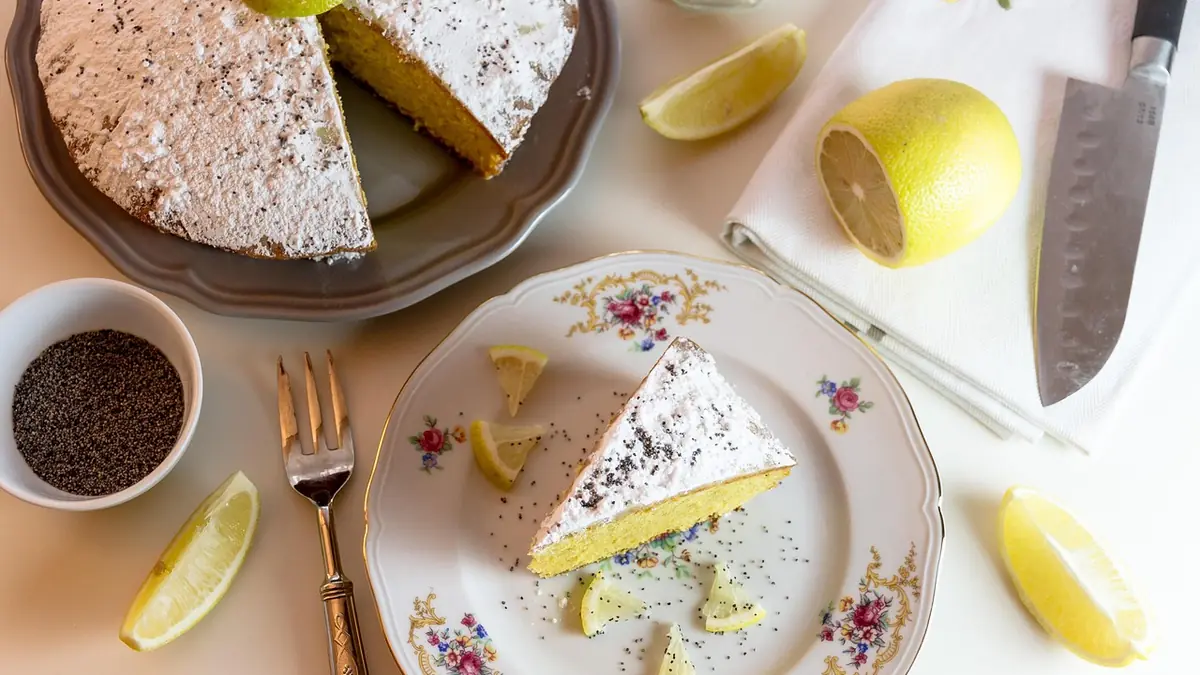
Your cake will be photographed, sliced, and—if you get it right—eaten. The couples who end up with empty plates usually stop choosing flavours by mood board and start choosing by how the cake will be served: at room temperature, in the evening, after a big meal, to guests ranging from toddlers to grandparents.
This guide covers crowd-pleaser flavours, how to add one signature tier without stranding half the room, and how to run a tasting that tells you what will actually be eaten on the day. It also gives you realistic pricing ranges so flavour choices don't blow the budget.
Start With the Room, Not the Cake Board
Most couples overestimate how adventurous their guest list is. Think about who is actually attending: the proportion of children, older relatives, and guests who don't drink alcohol or avoid certain ingredients. A cake that is too rich or too unfamiliar gets partly eaten and partly pushed to the side of the plate, which is the most expensive outcome of all.
A reliable rule is to make roughly two-thirds to three-quarters of the cake familiar and comforting—vanilla, chocolate, lemon, carrot—and use the remaining tier or tiers for something more personal. That way the majority of servings are in safe territory and you still get a cake that feels like yours.
Also consider the time of day and the meal. An evening cake after a heavy dinner needs lighter flavours and less buttercream than a daytime cake served with coffee. If you're serving macarons alongside, plan the flavours so they complement rather than duplicate the cake—How Many Macarons Per Guest for a Wedding Favours Table? is a useful planning read.
- Match richness to the meal: lighter sponges and fruit curds after a heavy dinner.
- Keep at least one tier plain enough for children and cautious eaters.
- Ask your caterer what gets left on plates at similar weddings.
- Check for allergies and dietary needs before finalising flavours.
Crowd-Pleaser Flavours and Pairings That Work
The flavours that disappear fastest are rarely the most creative ones. Vanilla sponge with raspberry compote and vanilla buttercream, chocolate with salted caramel, and lemon with curd and light cream are consistently reliable. Carrot cake with cream cheese frosting and red velvet with cream cheese do well with older guests. These aren't boring if the execution is good—properly soaked sponges and real fruit make a plain flavour taste expensive.
For a signature note, choose flavours that are recognisable but slightly unusual: pistachio and raspberry, earl grey with honey, almond with apricot, or a dark chocolate and cherry tier. Avoid flavours that are divisive on a large scale—heavy coffee, strong alcohol, or very intense spice—unless you know your crowd well.
If you're having multiple tiers, use the bottom tier for the safest flavour since it yields the most servings, and put the more distinctive flavour higher up where the tier is smaller. A three-tier cake can easily mix two or three flavours without extra cost, and the serving maths matter: see How Many Servings Does a 3-Tier Wedding Cake Really Feed? before you commit.
- Reliable: vanilla and raspberry, chocolate and salted caramel, lemon and cream.
- Signature but safe: pistachio and raspberry, earl grey and honey, almond and apricot.
- Risky for a crowd: heavy coffee, strong liqueur, very spicy or floral-heavy flavours.
- Put the crowd-pleaser on the largest tier.
The Signature Tier Strategy
The signature tier is the one flavour that is unmistakably yours—the cake you'd choose for yourself, not for the room. Keep it to one tier or about 20–30% of total servings. That's enough to feel personal without leaving a pile of uneaten slices, and it gives guests who are curious something to talk about.
Position the signature tier where it gets cut in a controlled way. If it's the top tier, you can save it for the couple and a small number of guests, or box it for later. If it's a middle tier, brief the caterer to offer it as an option rather than serving it by default, so guests can choose the familiar flavour if they prefer.
Don't let the signature tier complicate logistics. Unusual fillings can affect how well a tier holds up in warm weather, and some flavours need refrigeration that venue setups don't have. How to Display a Wedding Cake at the Venue: A Setup Checklist covers the practical side of keeping a tiered cake stable through the evening.
How to Run a Tasting That Tells You Something
A tasting should feel like a test, not a treat. Taste at room temperature, because that's how the cake will be served. Taste the cake with the frosting and filling together, not separately—most flavour disappointments come from a filling that's too sweet or a sponge that's too dry in context.
Limit yourself to four to six flavours per session so your palate stays useful, and take notes between each. Ask specifically how the cake holds up after several hours out of the fridge, and whether the bakery has served that flavour at a similar venue. A good studio will tell you which flavours travel and which don't.
If you're also choosing macarons, taste them in the same session and check the texture—crisp shell, soft centre. Storage matters after the tasting: How to Store Macarons So They Stay Crisp for Days explains why a macaron that's perfect on day one can be disappointing on day three. For what a tasting should include and what to ask, see What Should a Wedding Cake Tasting Include?.
- Taste at room temperature, the way guests will eat it.
- Taste the full bite: sponge, filling and frosting together.
- Cap the session at four to six flavours.
- Ask how each flavour performs after four to six hours out of the fridge.
What Flavour Choices Cost
Flavour affects price less than size, decoration and labour, but it does matter. Simple sponges and fruit curds are usually the most economical. Chocolate, caramel and nut-based fillings sit in the middle. Premium ingredients such as pistachio, fresh berries out of season, or alcohol can add a noticeable amount per serving.
As a broad guide, wedding cake in a studio setting typically runs from about $6 to $12 per serving, with more elaborate designs and premium flavours pushing toward $15. Macarons are usually priced per piece, roughly $2.50–$4.50 each, with premium flavours at the top of that range. Macaron Pricing Explained: Why Do They Cost So Much? breaks down where the money goes.
The cheapest cake is the one that gets eaten. A slightly higher price per serving for a flavour guests finish is better value than a cheaper cake that leaves a third of the portions on plates. Budget by edible servings, not by tier count.
Practical Checks Before You Lock It In
Confirm the serving temperature and timing with your caterer. Buttercream and cream cheese frostings soften quickly in a warm room, and cakes are often cut an hour or more after display. Ask how long the cake can sit out and plan the cutting time accordingly.
Check dietary needs across the guest list, not just the couple. If you have several vegan or gluten-free guests, a small separate cutting cake in a matching flavour is usually simpler and cheaper than reformulating a whole tier. Keep it in the same visual style so it doesn't look like an afterthought.
Finally, write the flavour choices down and give them to the caterer and the venue in writing, including which tier is which. On the day, nobody should be guessing which layer is the signature flavour. Clear labelling on the cake card and in the caterer's notes prevents the most avoidable disappointment of all.
- Confirm how long the cake can stay out at room temperature.
- Order a small separate cutting cake for dietary needs rather than changing a whole tier.
- Give the caterer a written tier-by-tier flavour list.
- Label the flavours on the cake card so guests can choose.
| Flavour profile | Example pairing | Crowd fit | Typical cost impact | Best placement |
|---|---|---|---|---|
| Classic vanilla | Vanilla sponge, raspberry compote, vanilla buttercream | Very high | Base price | Bottom tier (largest) |
| Chocolate | Chocolate sponge, salted caramel, chocolate ganache | High | Base to +5% | Bottom or middle tier |
| Lemon | Lemon sponge, lemon curd, light cream | High | Base to +5% | Middle tier |
| Carrot or red velvet | Spice or cocoa sponge, cream cheese frosting | High with older guests | Base to +5% | Middle tier |
| Pistachio | Pistachio sponge, raspberry, mascarpone | Medium | +10–15% | Signature tier |
| Earl grey or floral | Earl grey sponge, honey buttercream | Medium | +5–10% | Signature tier |
| Dark chocolate and cherry | Dark chocolate sponge, cherry compote | Medium | +5–10% | Signature tier |
- Make two-thirds to three-quarters of the cake familiar flavours; reserve one tier for your signature.
- Taste at room temperature and in full bites—that's how guests will experience the cake.
- Put the safest flavour on the largest tier and the distinctive one where it can be offered as a choice.
- A cake that gets eaten is better value than a cheaper cake that leaves plates half full.
Daniel covers macaron flavours, storage and pricing for celebrations and dessert tables. His articles translate pastry-shop questions into clear comparisons and checklists for home planners and event hosts.