Buttercream vs Fondant: Which Finish Suits Your Wedding Cake?
By Nina Hartley · Published · 5 min read
Your cake's finish is the first thing guests notice and the last thing they taste. Buttercream and fondant are the two main options for wedding cakes, and the choice affects flavor, budget, and how the cake holds up on the day.
This guide breaks down the practical differences between buttercream and fondant—taste, texture, cost, weather resistance, and design possibilities—so you can choose a finish that fits your wedding, not just a photo you liked.
Taste and Texture: What Your Guests Actually Eat
Buttercream is made from butter, sugar, and flavorings, sometimes with egg whites or cream. It tastes rich and creamy, with a texture that ranges from silky Swiss meringue to slightly grainy American-style. Because it's soft, it pairs well with lighter sponge cakes and fruit fillings. Most guests find it familiar and comforting, and it's the finish people actually look forward to eating.
Fondant is a sugar paste rolled thin and draped over the cake. It has a smooth, almost chewy texture and a sweet, neutral flavor. Many couples peel it off before eating, leaving the cake underneath. That's not a dealbreaker—fondant acts as a seal and a canvas—but if you want guests to enjoy the icing itself, buttercream usually wins.
Some studios offer a hybrid: fondant for the exterior look, buttercream underneath for taste. If you're set on a sharp, sculpted design, ask whether the fondant can be kept thin (2–3 mm) to minimize waste. A good cake maker will guide you based on your flavor choices and the season.
- Buttercream: creamy, rich, familiar; flavors range from vanilla to salted caramel.
- Fondant: sweet and chewy; often removed before eating.
- Hybrid: fondant outside for design, buttercream inside for taste.
Cost: What Each Finish Adds to Your Cake Budget
Buttercream is generally the more economical choice. It takes less time to apply and doesn't require the same precision as fondant. For a three-tier cake serving 100 guests, expect buttercream finishing to add roughly $1.50–$3.00 per serving, depending on detail. That's $150–$300 for the finish alone, on top of the cake itself.
Fondant costs more because it's labor-intensive: rolling, smoothing, and sculpting take skill and time. The same three-tier cake might see fondant finishing at $3.00–$6.00 per serving, or $300–$600. Intricate fondant work—ruffles, figures, metallic accents—can push higher. If budget is tight, buttercream with piped details often delivers a similar visual impact for less.
Keep in mind that finish costs are only one part of the total. For a full breakdown of tier-by-tier pricing, see How Much Does a Wedding Cake Cost? A Tier-by-Tier Price Guide. It's worth reading before you settle on a design, so you can allocate your budget realistically.
- Buttercream finish: ~$1.50–$3.00 per serving.
- Fondant finish: ~$3.00–$6.00 per serving.
- Complex fondant detailing costs extra; simple buttercream piping is cheaper.
Weather and Stability: Which Holds Up on the Day
Buttercream is sensitive to heat and humidity. Above about 24°C (75°F), it softens and can slide, especially if the cake is displayed outdoors or in a warm room. For summer weddings, ask your baker to use a buttercream with a higher fat ratio or a touch of shortening to improve stability, and keep the cake in air conditioning until serving.
Fondant is more robust. It forms a firm shell that resists mild heat and holds its shape, making it a safer choice for outdoor receptions or hot climates. It also seals the cake, helping it stay moist. However, fondant can sweat in high humidity, becoming sticky and shiny. In very damp conditions, neither finish is perfect—plan for a cool, shaded display spot either way.
If you're set on buttercream in summer, consider a semi-naked finish (scraped thin) or a chilled display. And always confirm the venue's air conditioning and the cake's travel time. A cake that looks perfect in the studio can turn glossy after two hours in a warm car.
- Buttercream softens above ~24°C/75°F; needs a cool room.
- Fondant holds shape better in heat but can sweat in humidity.
- For outdoor summer weddings, fondant is often the safer bet.
Design Flexibility: Smooth, Textured, or Sculpted
Fondant is the go-to for sharp edges, clean lines, and sculpted shapes. It can be rolled thin for a porcelain-smooth finish, cut into geometric patterns, or molded into flowers and figures. If your heart is set on a minimalist, architectural cake or a whimsical sculpted design, fondant gives you the control.
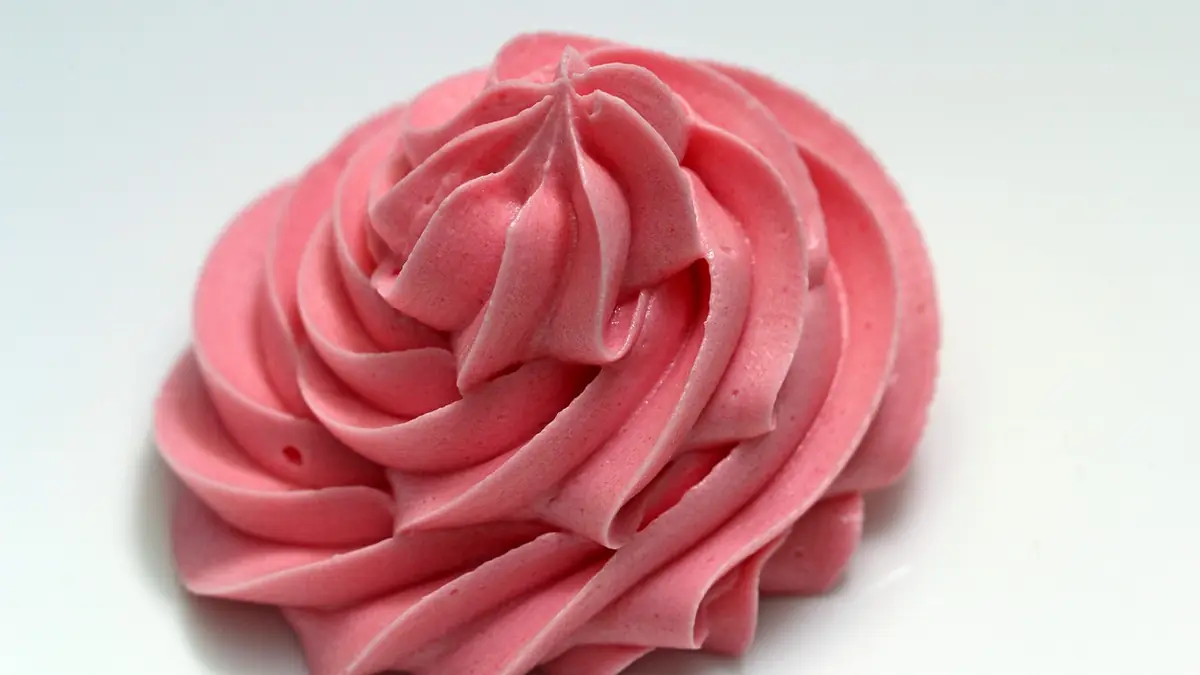
Buttercream offers a softer, more organic look. It can be swirled, combed, piped into rosettes, or left semi-naked for a rustic feel. It's ideal for romantic, garden, or bohemian themes. While it can be smoothed, it rarely achieves the razor-sharp edges of fondant. For many couples, that softness is part of the charm.
Some designs blend both: a fondant base with buttercream flowers, or a buttercream cake with fondant accents. Talk to your cake designer about your vision and the venue's style. They can often suggest a finish that gives you the look you want without compromising on taste.
- Fondant: sharp edges, smooth surfaces, sculpted details.
- Buttercream: soft textures, swirls, semi-naked finishes.
- Mixed finishes can balance design and flavor.
Flavor Pairing and Menu Planning
Buttercream comes in almost any flavor: vanilla bean, chocolate, lemon, raspberry, salted caramel. It can be colored and flavored to match your cake sponge and fillings. Fondant, by contrast, is primarily vanilla-sweet and doesn't carry flavor well. If you want the icing to complement the cake, buttercream is more versatile.
When planning your menu, consider how the finish affects the overall taste. A fondant-covered cake often relies on the sponge and filling for flavor, so choose a moist cake and a robust filling. Buttercream can be the star, so pick a flavor you love. For macarons, which are a different beast, see Macaron Pricing Explained: Why Do They Cost So Much? to understand how ingredient and labor costs stack up.
If you're offering a dessert table alongside the cake, balance is key. A rich buttercream cake pairs well with lighter fruit desserts, while a fondant cake with a simple sponge can handle richer accompaniments. Your cake studio can help you plan a cohesive menu.
- Buttercream: flavors range widely; can be the highlight.
- Fondant: neutral taste; rely on sponge and filling for flavor.
- Pair the finish with your dessert table for balance.
Practical Considerations: Timing, Transport, and Serving
Buttercream cakes are usually assembled and finished on-site or delivered chilled. They need to be kept cool until shortly before serving. Fondant cakes are more forgiving in transport but still require careful handling to avoid cracks. Both need a level surface and a safe spot away from direct sun.
Serving style matters too. Buttercream can be cut and served straight away; fondant often needs to be peeled back or cut through, which can slow down catering. If you're having a buffet or a large guest count, mention this to your caterer so they can plan.
Finally, think about the timeline. A buttercream cake might need to be delivered closer to the reception to avoid melting, while a fondant cake can be set up earlier. Discuss delivery windows with your cake maker—they'll know what works for your venue and season.
- Buttercream: deliver chilled, keep cool until serving.
- Fondant: more stable in transport but can crack if handled roughly.
- Tell your caterer which finish you choose so they can plan serving.
| Factor | Buttercream | Fondant |
|---|---|---|
| Taste & texture | Creamy, rich, familiar | Sweet, chewy, often peeled off |
| Cost per serving (finish only) | $1.50–$3.00 | $3.00–$6.00 |
| Heat resistance | Softens above ~24°C/75°F | Holds shape better; can sweat in humidity |
| Design flexibility | Soft textures, swirls, semi-naked | Sharp edges, smooth, sculpted |
| Flavor options | Wide range | Neutral; limited flavor |
| Transport & setup | Needs cool chain; often finished on-site | More stable; can be set up earlier |
- Buttercream wins on taste and budget; fondant wins on heat resistance and sharp design.
- Expect to pay roughly $1.50–$3.00 per serving for buttercream and $3.00–$6.00 for fondant.
- For summer or outdoor weddings, fondant is usually the safer choice; for flavor-first couples, choose buttercream.
- A hybrid finish (fondant outside, buttercream inside) can balance look and taste.
Nina writes about cake studio pricing menus, order workflows and client communication. She concentrates on how small bakeries can present tiers and add-ons clearly without overcomplicating their price lists.