Wedding Cake Info: A Complete Guide to Sizes, Tiers & Flavours
By Claire Bennett · Published · 4 min read
Ordering a wedding cake should feel exciting, not overwhelming. Yet with so many decisions—tiers, servings, flavours, finishes—it's easy to lose sight of what matters most: a cake that tastes great and reflects your day.
This guide cuts through the noise. We'll walk you through the practical numbers and design choices that shape a wedding cake, from how many tiers you actually need to how far ahead to book. Use it as your starting point, then dig deeper with our linked articles for the finer details.
How Many Tiers and Servings Do You Need?
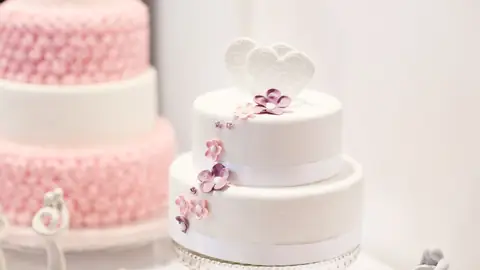
The first question is almost always size. A wedding cake is typically built in tiers, each tier a separate cake, stacked for visual impact. But the number of tiers should be driven by your guest count, not just aesthetics. As a rule of thumb, a 3-tier cake (6", 8", 10") serves around 50–80 guests, while a 4-tier (6", 8", 10", 12") serves 100–150. For smaller weddings, a 2-tier cake with a cutting cake in the kitchen works beautifully.
Keep in mind that not every guest eats cake, especially if you're also serving dessert. Many couples order for 70–80% of their guest count. If you want leftovers or a late-night snack, order a little more. And don't forget the top tier—many couples save it for their first anniversary, so factor that into your planning.
The shape of each tier also affects servings. Round tiers are the most efficient, followed by square. Novelty shapes (hexagons, petal tiers) look stunning but yield fewer slices. Your cake designer will help you map out a cutting guide so your caterer can serve neatly and consistently.
- 2-tier (6", 8"): serves 20–35
- 3-tier (6", 8", 10"): serves 50–80
- 4-tier (6", 8", 10", 12"): serves 100–150
- Order for 70–80% of guests if other desserts are served
Choosing Flavours and Fillings
Flavour is where a wedding cake can really stand out. Most studios offer a tasting as part of the booking process, and you'll typically choose one flavour for the whole cake or mix tiers. Classics like vanilla bean, chocolate, and lemon remain popular, but couples increasingly opt for more adventurous combinations: pistachio and raspberry, Earl Grey and honey, or salted caramel.
Consider the season and the rest of your menu. A light lemon and elderflower cake feels right for a summer celebration, while a rich dark chocolate and cherry suits a winter wedding. If you're serving a heavy meal, a fruit-based or citrus cake can be a refreshing finish. And if you're offering multiple desserts, a smaller, intensely flavoured cake works well.
Don't overlook texture. Buttercream, ganache, and fruit curds all behave differently. A cake with a soft mousse filling may need extra support, especially in warm weather. Your baker will advise on what holds up best for your venue and date. Always taste before you commit—most studios offer samples or small tasting boxes.
Finishes and Design Styles
The outside of your cake sets the tone. Buttercream finishes range from rustic swirls to ultra-smooth palettes. Fondant offers a crisp, sculpted look and holds up well in heat, but many couples prefer the taste of buttercream. Semi-naked cakes—scraped so the sponge peeks through—suit relaxed, boho, or barn weddings. For a modern edge, consider a textured buttercream or a metallic-painted finish.
Design details like fresh flowers, sugar flowers, gold leaf, or a custom cake topper add personality. Fresh flowers are beautiful but must be food-safe; your florist and baker should coordinate on placement and stems. Sugar flowers are more expensive but can be kept as a keepsake. If you're using a cake stand, check whether your venue provides one or if your baker does.
Remember that simplicity often photographs best. A clean, well-executed finish with a few strategic details can be more striking than an over-decorated cake. Your designer will help you balance your vision with practical considerations like transport and display time.
- Buttercream: versatile, tasty, but sensitive to heat
- Fondant: smooth, sculpted, holds up in warm venues
- Semi-naked: rustic, relaxed, shows sponge texture
- Fresh flowers: beautiful but require coordination with florist
Budgeting for Your Wedding Cake
Wedding cake prices vary widely by region, design complexity, and servings. As a broad guide, expect to pay £3–£8 per serving for a simple buttercream cake, £6–£12 for intricate designs with sugar flowers or metallic finishes, and £10–£20+ for luxury multi-tier cakes with premium ingredients. A 3-tier cake serving 80 might cost £400–£800, while a 4-tier serving 120 could range from £700 to £1,500.
Additional costs can include delivery and setup (often £50–£150 depending on distance), cake stand hire, and tasting sessions. Some studios include delivery within a certain radius. Always ask for a detailed quote that breaks down these elements. And if your budget is tight, consider a smaller display cake with matching cutting cakes in the kitchen—it can save significantly without compromising the look.
For a deeper breakdown of tier-by-tier pricing, see our tier-by-tier price guide.
Booking Timelines and Logistics
Most couples book their wedding cake 6–12 months in advance, with popular studios and summer dates often booked up to a year ahead. The initial consultation and tasting usually happen 6–9 months before the wedding, with design confirmation 3–4 months out. Final numbers and delivery details are confirmed 4–6 weeks before the day.
Logistics matter. Confirm whether your venue allows external cakes (most do, but some charge a cutting fee). Arrange delivery timing so the cake arrives after the room is set up but before guests arrive. If you're transporting the cake yourself, read our guide on how to transport a tiered cake safely by car.
For a step-by-step checklist from enquiry to delivery, see how to order a wedding cake.
Storing and Serving Your Cake
After the wedding, leftover cake should be refrigerated and eaten within 3–4 days, or wrapped tightly and frozen for up to 3 months. If you're saving the top tier, wrap it well and freeze it—many couples enjoy it on their first anniversary. Buttercream and fondant cakes freeze well, though textures may change slightly.
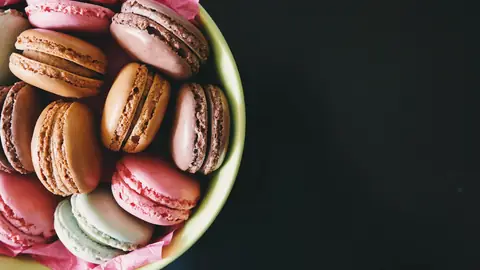
For macarons or other delicate treats, proper storage is key. Our article on how to store macarons covers that in detail. When serving, bring the cake to room temperature for 20–30 minutes before cutting for the best flavour and texture. Use a sharp, serrated knife and clean it between slices for neat portions.
| Tiers | Approx. Servings | Price Range (Simple) | Price Range (Intricate) |
|---|---|---|---|
| 2-tier | 20–35 | £150–£300 | £300–£500 |
| 3-tier | 50–80 | £300–£600 | £600–£1,000 |
| 4-tier | 100–150 | £600–£900 | £900–£1,800 |
| 5-tier | 150–200 | £900–£1,300 | £1,300–£2,500 |
- Order for 70–80% of your guest count if other desserts are served.
- Book 6–12 months ahead; popular dates go early.
- Budget £3–£8 per serving for simple designs, £6–£12 for intricate.
- Confirm delivery, setup, and venue rules 4–6 weeks before the wedding.
Claire writes practical guides on tiered wedding cakes, from design choices to serving calculations. She focuses on helping couples plan realistic budgets and timings, drawing on years of editorial work in food and events publishing.